Molecular Simulation Studies of Rock-Oil Interfaces
This project involves studying rock-oil interfaces at sub-surface conditions using molecular simulations.

This project involves studying rock-oil interfaces at sub-surface conditions using molecular simulations.
The work involves studying rock-oil subsurface conditions using molecular simulations.
With increased penetration of renewable electricity from wind and solar, that modern electricity grid is expected to be more dynamic as it actively responds to supply and demand of renewable electricity. In this scenario, redox flow batteries are seen as a key technology for longer-term energy storage (time ≥ 4 hours). This SLP is an opportunity to compute the levelized cost of storage and determine the key limiting factors that prevent widespread commercialization of this technology.

Speaker Name:Prof. Vatsal Sanjay, Assistant Professor, Physics Dept.,
Durham University (U.K.)
Date:20-05-2026 (Wednesday)
Time: 2.30 P.M To 3.30 P.M
Venue:Chemical Engineering Room CL119
Welcome to IIT Bombay for the Workshop on Fundamentals of Rheology. The Workshop will be held from 23-24 April, 2026 at VMCC, Indian Institute of Bombay from 9 am to 5 pm , providing an inspiring environment to exchange ideas, explore new research directions, and strengthen global partnerships in rheology and interfacial sciences.
The Department of Chemical Engineering, IIT Bombay, announces the schedule and seating arrangements for the End Semester (Spring 2026) Examinations for Undergraduate (UG), Postgraduate (PG), and Dual Degree (DD) students.
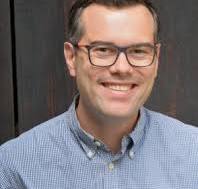
Speaker Name:Prof. Alexander Schlaich,(Hamburg University of Technology, Germany)
Date:15-04-2026 (Wednesday)
Time: 11:00 AM
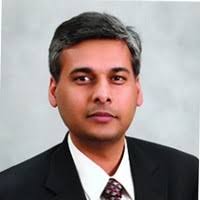
Speaker Name: Prof. Neeraj Rai (Mississippi State University)
Date: 15-04-2026 (Wednesday)
Time: 14:30 PM
Venue: LC102
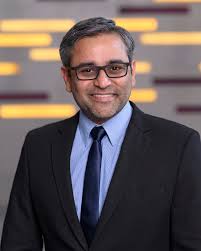
Speaker Name: Prof. Bhuvnesh Bharti(Louisiana State University)
Date: 08-04-2026 (Wednusday)
Time: 14:30 PM
Venue: LC102