
Project Overview
APOBEC3G (A3G) is a powerful human protein that acts as a front-line defense against HIV-1 by mutating viral genetic material during replication. However, designing therapies that protect A3G from HIV's viral counter-defenses requires understanding its internal moving parts.
In this project, we will attempt to decode the thermodynamic and conformational rules governing RNA-mediated complex assembly, inter-domain allostery, and oligomerization. Using state-of-the-art computer simulations, we will explore how A3G changes shape, binds nucleic acids, and communicates across its domains to defend the cell.
What You Will Learn & Experience
- Computer Simulations: Learn how to run and analyze molecular dynamics (MD) simulations to capture protein motion at atomic resolution.
- Biophysical Modeling: Discover how to quantify binding strength, structural stability, and energy landscapes.
- Data Science in Biology: Use modern data analysis tools, ML models, and network mapping to extract meaningful biological patterns from simulation data.
- Therapeutic Insights: Gain insights into how basic computational biophysics informs real-world drug design against viruses.
Prerequisites
- Curiosity and a strong interest in biological modeling and computer simulations.
- High school (Grades XI–XII) and foundational undergraduate-level mathematics mandatory.
- Note: Prior experience with simulation software or coding is helpful, but you will be guided through the tools and methodologies step-by-step.
Broader Context & Lab Expertise
This project on A3G builds directly on our lab's ongoing research into host cellular defenses and viral restriction mechanisms using computational tools.
Prior Success with SAMHD1: Our lab has extensive experience uncovering how host restriction factors work, particularly SAMHD1—an enzyme that starves HIV-1 by depleting the building blocks it needs to replicate. Through molecular simulations, we discovered:
- The Allosteric "Handshake": Revealed how different units of the SAMHD1 protein communicate directly across monomer interfaces to control catalytic activity.
- Long-Distance Signaling: Mapped how signals from regulatory sites (such as the T592 phosphorylation site) travel across the protein structure to toggle its function on and off.
Big-Picture Impact: By applying these exact simulation pipelines and allosteric analysis tools to A3G, your work will help directly expand our understanding of host-virus interactions and lay the groundwork for novel antiretroviral therapeutics.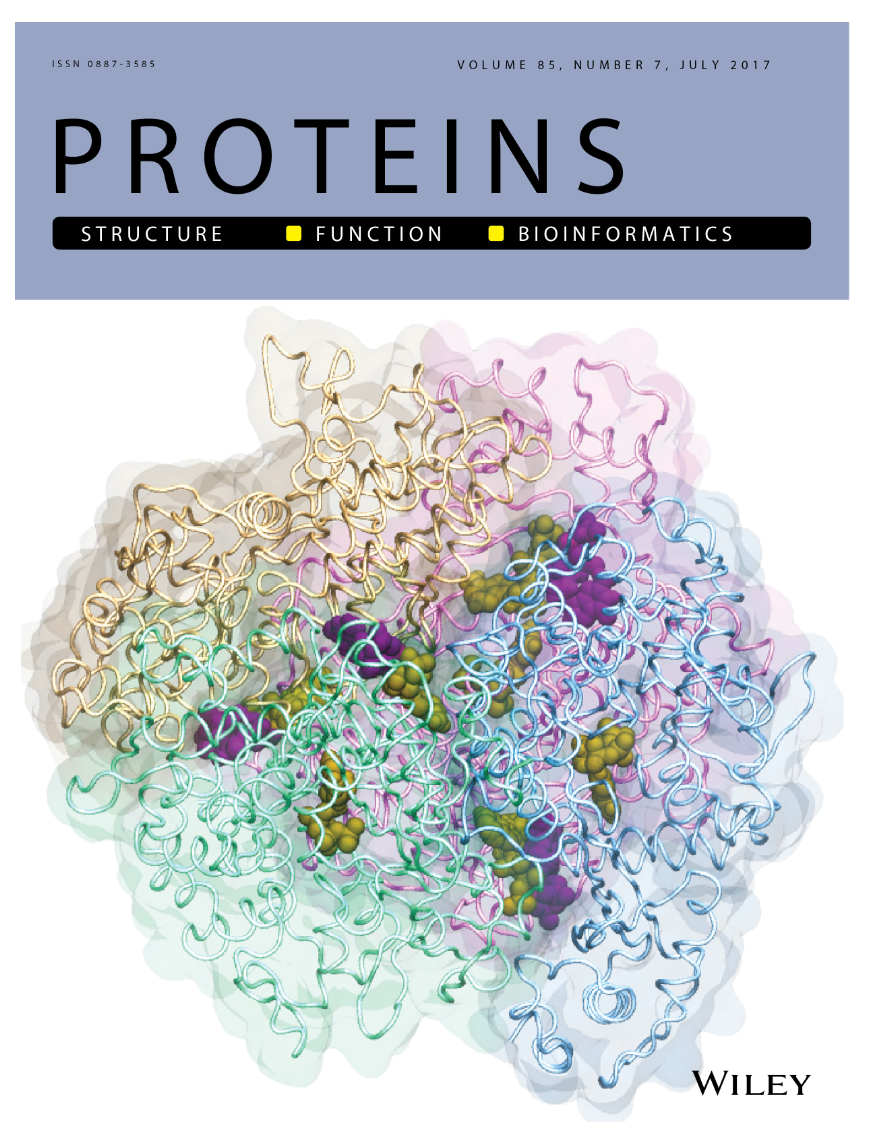
Sub Areas
- Computational Biology